GUIDE · RULES
An AI image as your first Vinted photo: is that allowed?
Where the rules are, what Vinted has said publicly and where misleading begins.
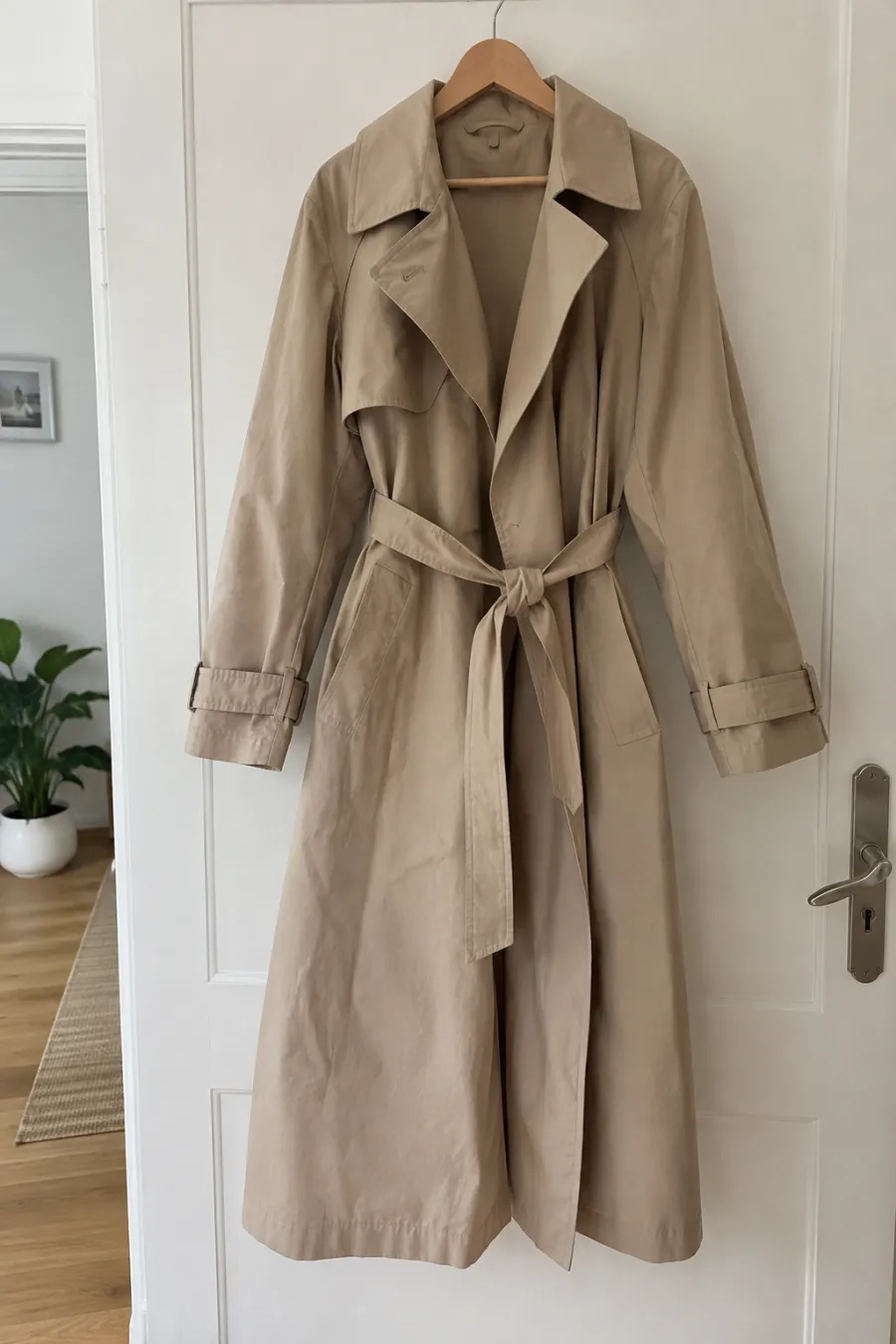 AI-generated
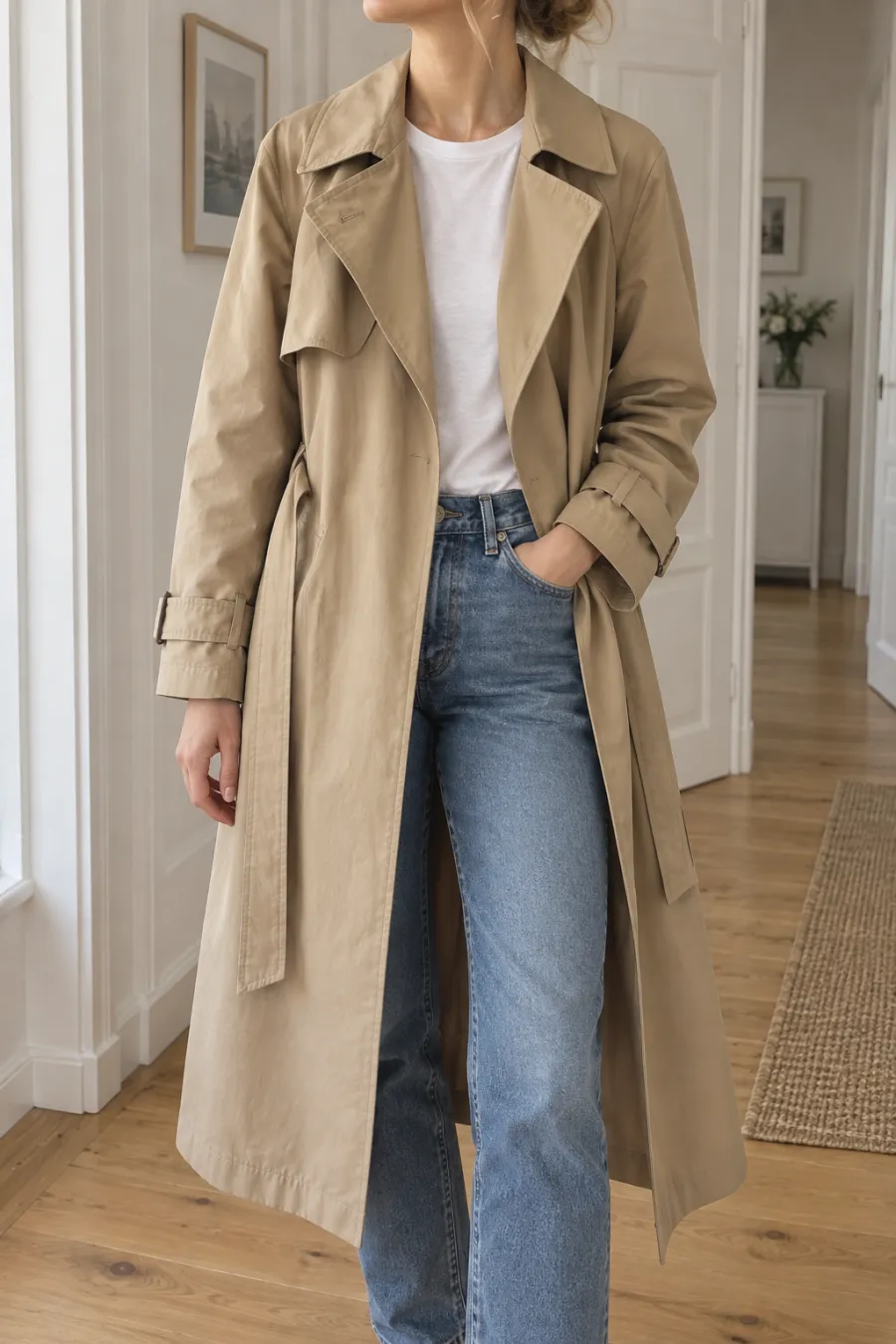 AI try-on image
In short
Vinted's catalogue rules don't mention AI. Vinted told the German magazine Öko-Test that AI is not banned per se, as long as the item is represented accurately. Our recommendation: an AI try-on image goes first if it shows the whole item unchanged and is labelled, with your real photos right behind it. An AI image on its own is never enough.
- Not banned per se
- Real photos right behind it
- Labelling recommended
Where are Vinted's rules on the first photo?
Read the rules yourself, they're short: Vinted's Catalogue Rules, section 2 “Requirements for the item’s photos”, the photo tips and, for branded items, the help page How to take photos of branded items. We don't repeat or interpret them here, because we're not Vinted and rules change.
None of these pages mentions AI (all opened on 25.10.2026).
What has Vinted said about AI images?
„The use of AI is not prohibited per se, as long as it is consistent with our terms and conditions and the item offered for sale is represented accurately.“
Vinted to Öko-Test, August 2026 (our translation from German)
According to Öko-Test, Vinted gave examples: using AI to show how an item fits, to remove the background or to blur identifiable features, provided the item's actual appearance doesn't change. Anyone who uses AI to mislead risks, in Vinted's words, having listings removed or accounts suspended. Vinted said the same to the Dutch broadcaster NOS in August 2026.
Does an AI try-on image replace your real photos?
No. Our recommendation: an AI image adds to your photos, it never replaces them. Without your own shots there's no proof of what the item really looks like.
German lawyer Jens K. Fusbahn also advised, speaking to Öko-Test, to “always use your own real photos as well” and to use AI images only in addition (our translation).
Where does misleading begin?
According to lawyer Jens K. Fusbahn (speaking to Öko-Test about German law), it becomes a problem when the AI
- changes the fit significantly,
- “improves” the texture of the material or changes colours,
- removes damage,
- makes the item look more valuable, newer or unworn.
Then there are logos, patterns and designs: if they're distorted, Fusbahn says this can also infringe the manufacturer's rights. In England, Citizens Advice explains that goods bought from a private seller must match their description, and a buyer who gets something else can ask for the difference in value. Our rule of thumb: if the buyer is surprised when they unpack it, the image was too good.
What do buyers think of AI try-on images?
Not everyone is a fan. The German news site WEB.DE reports on Reddit discussions in which buyers mostly object to two things: a first image that looks like a professional shoot followed by real photos that disappoint, and a profile that shows every item on the same person in the same pose. Both look like a gimmick. Our recommendation:
- Realistic, not catalogue: an ordinary room beats the perfect period-flat backdrop.
- Vary the person and the background instead of making everything look the same.
- Take your real photos in the same kind of light, so the jump stays small.
- Label the AI image. Being open about it means you're hiding nothing.
When is an AI image not right for the first photo?
The AI try-on image can go first
- Whole item visible
- Colour, cut, logo unchanged
- Labelled as an AI image
- Real photos straight after
Then regenerate it or leave it out
- Colour differs from the original
- Cut, pattern or logo changed
- A flaw has disappeared
- The item looks newer than it is
Frequently asked questions
Does Vinted ban AI images?
The catalogue rules don't mention AI. Vinted told Öko-Test that AI is not banned per se, as long as the item is represented accurately; if AI is used to mislead, listings may be removed or accounts suspended.
Can the AI image be the only photo?
Our recommendation: no. Real photos belong in every listing, not least because they prove the flaws and the condition.
Do I have to label AI images?
According to Öko-Test, the EU AI Act does not name private sellers. Lawyer Fusbahn still recommends a note such as “image created with AI”. It costs nothing and saves arguments.
Can the AI remove creases?
Yes. Not stains, pilling or holes, because those are part of the condition.
Does this apply on Depop and eBay too?
Depop's Terms of Service mention AI only for Depop's own listing tools, and eBay UK's picture policy doesn't mention AI (opened on 24 and 25.10.2026). Our recommendation is the same everywhere: AI image first, labelled, your real photos right behind it.
Sources
- Vinted Help Centre: What photos you should upload
- Vinted Help Centre: How to take photos of branded items
- Vinted Catalogue Rules
- Öko-Test (German-language): KI-Bilder auf Vinted & Co.: Sind KI-Tragebilder erlaubt? (13.08.2026, with a statement from Vinted and lawyer Jens K. Fusbahn)
- NOS (Dutch-language): AI-foto's vinden hun weg op platforms zoals Vinted (08.08.2026)
- WEB.DE (German-language): Perfekte Tragebilder fluten Vinted (07.08.2026)
- Citizens Advice (England): Letter to complain about misdescribed goods bought from a private seller
- Depop Help Centre: Terms of Service
- eBay UK: Picture policy