GUIDE · RULES
Labelling AI images: required or optional?
What the EU AI Act has required since August 2026, who it applies to and what a good note looks like.
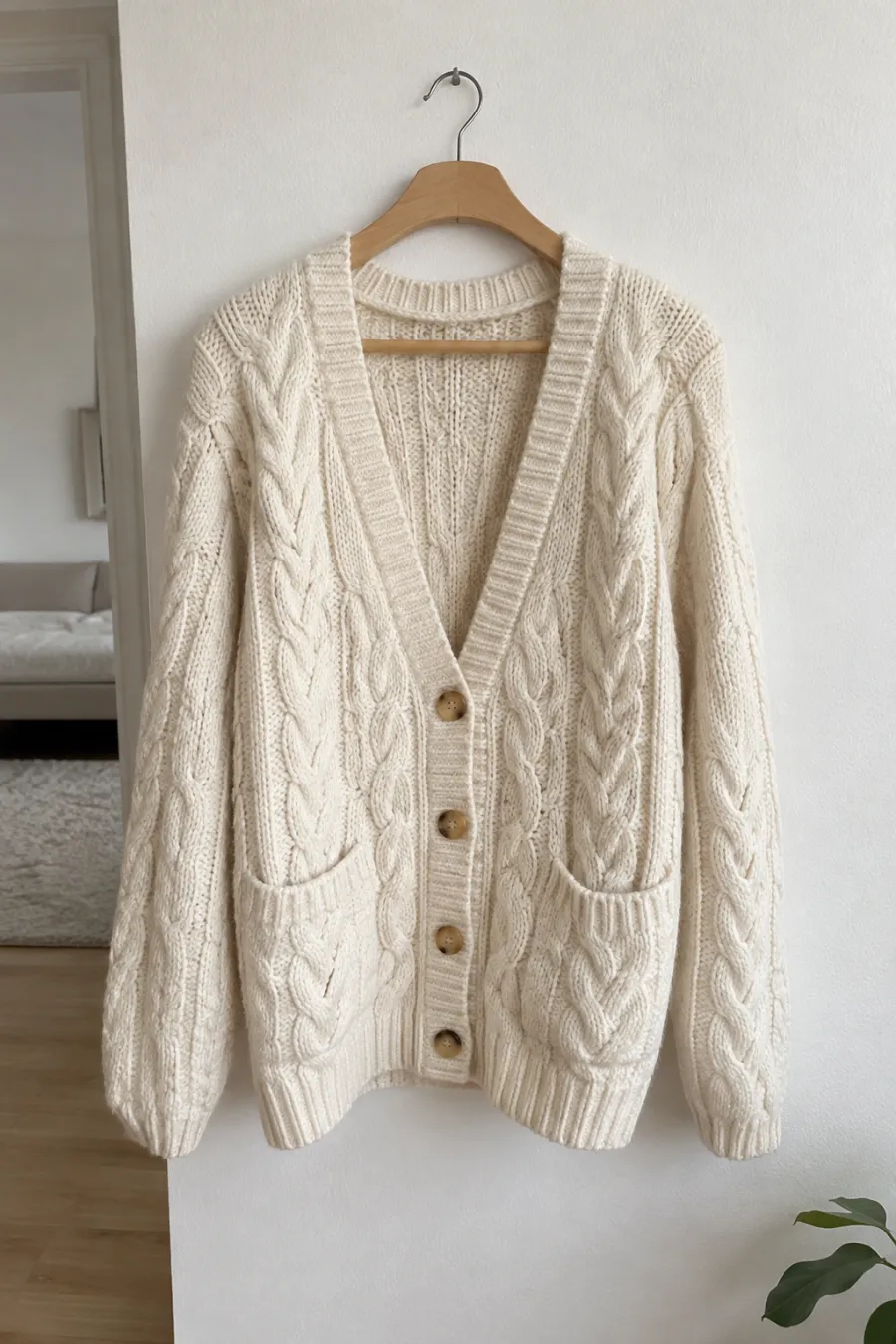 AI-generated
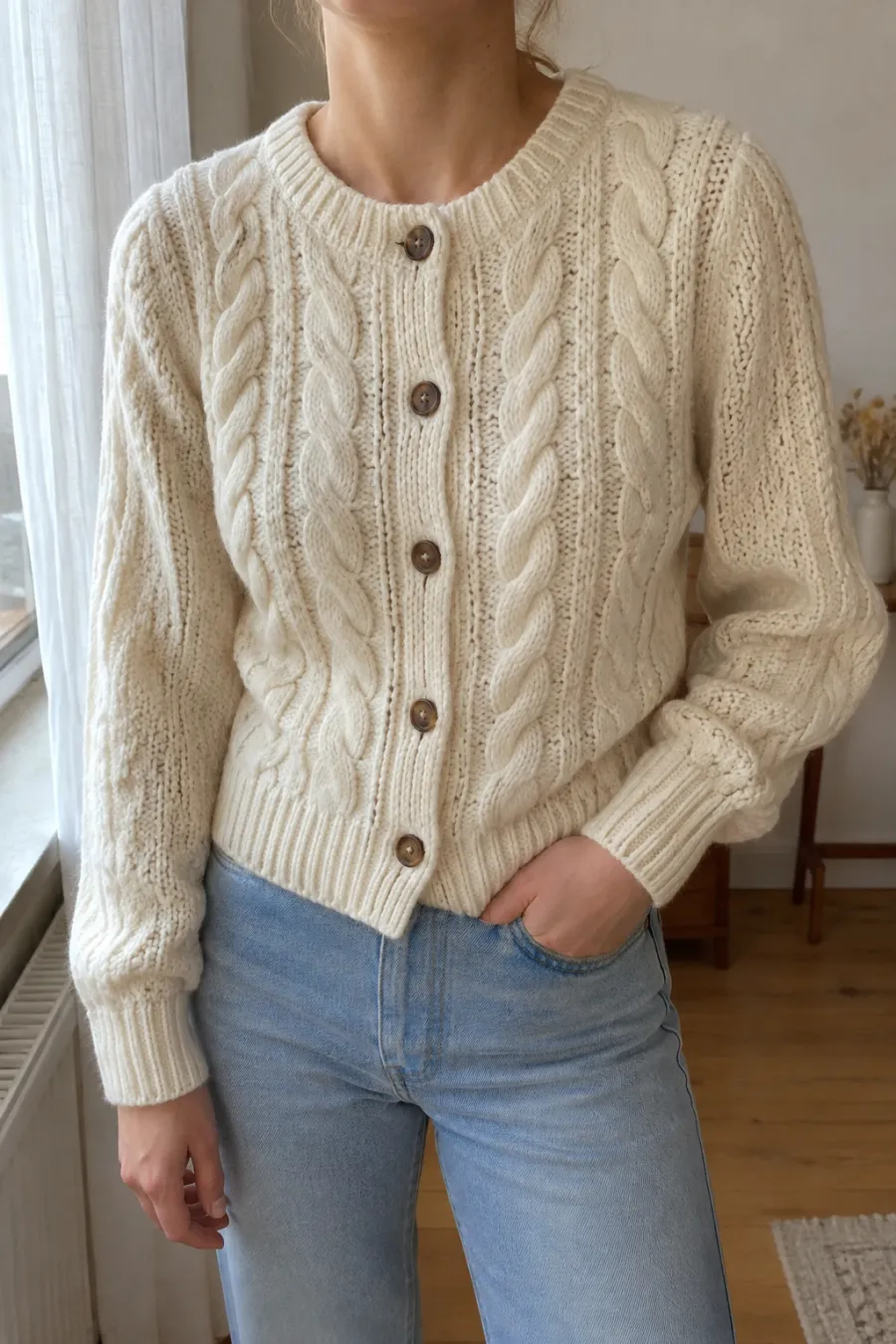 AI try-on image
In short
According to Öko-Test, the EU AI Act does not name private sellers; since 2 August 2026 its labelling duties fall on providers of AI systems and on businesses. The AI Act is EU law, and the UK is not an EU member. A small “AI-generated” note in the image and one sentence in the description are good practice anyway and save you trouble.
- Private sellers not named
- Duty for providers and businesses
- Voluntary: short and honest
What does the EU AI Act require?
Article 50 of the AI Act sets out transparency duties. Providers of systems that generate images must mark them in a machine-readable way as artificially generated. Deployers of such systems must disclose when images resemble real people, objects or places and could falsely appear authentic. Under Article 3, someone who uses an AI system in the course of a personal, non-professional activity is not a deployer.
These duties have applied since 2 August 2026. According to Öko-Test, they concern businesses, such as commercial sellers and online shops; the regulation does not name private sellers.
Why should you label anyway?
- Buyers often spot AI images. The German news site WEB.DE quotes buyers from Reddit discussions who are annoyed by perfect first images. Being open about it comes across as honest; keeping quiet looks like a gimmick.
- If there's a dispute about the condition, it helps that you never claimed the try-on image was a photo.
- Lawyer Jens K. Fusbahn explicitly recommends a note such as “image created with AI” (speaking to Öko-Test).
What does a good note look like?
In the image.
A small line of text in one corner: “AI-generated”. kiki, for example, adds it automatically.
In the description.
One sentence is enough: “The first image is AI-generated and shows the fit, all other photos show the real item.”
For styled looks.
“Styling suggestion, only the blouse is for sale.” Otherwise someone will ask about the boots.
For retouching.
Creases smoothed out? No note needed. Flaws stay visible in the real photo.
Frequently asked questions
Do I have to label AI images as a private person?
According to Öko-Test, the EU AI Act does not name private sellers; its duties concern providers of AI systems and businesses. This is not legal advice for your individual case.
When did the labelling duty start?
The transparency duties in Article 50 of the EU AI Act have applied since 2 August 2026.
Is a note in the description enough?
Yes, but a small note in the image as well is better, because many people only look at the photos.
What is a machine-readable mark?
An invisible tag in the image file that lets software recognise the image as AI-generated. The provider of the tool adds it.
Sources
- EU AI Act, Article 50, full text (artificialintelligenceact.eu)
- Regulation (EU) 2024/1689 (AI Act), Official Journal on EUR-Lex
- Öko-Test (German-language): KI-Bilder auf Vinted & Co.: Sind KI-Tragebilder erlaubt? (13.08.2026, with a statement from Vinted and lawyer Jens K. Fusbahn)
- WEB.DE (German-language): Perfekte Tragebilder fluten Vinted (07.08.2026)
- kiki FAQ: AI photos and platform rules