COMPARISON
Photographing clothes without a model: 5 ways compared.
Hanger, flat lay, ghost mannequin, model or AI try-on image. Cost, effort and effect side by side.
We are kiki, so we are not neutral. That’s why the criteria are out in the open.
In short
The hanger is the cheapest, a model the most real. A ghost mannequin looks professional but needs a dummy and retouching. AI try-on images show the item worn, without a model and with little effort. Whichever way you choose: real photos of the item always belong in the listing.
Comparison
| Comparison | 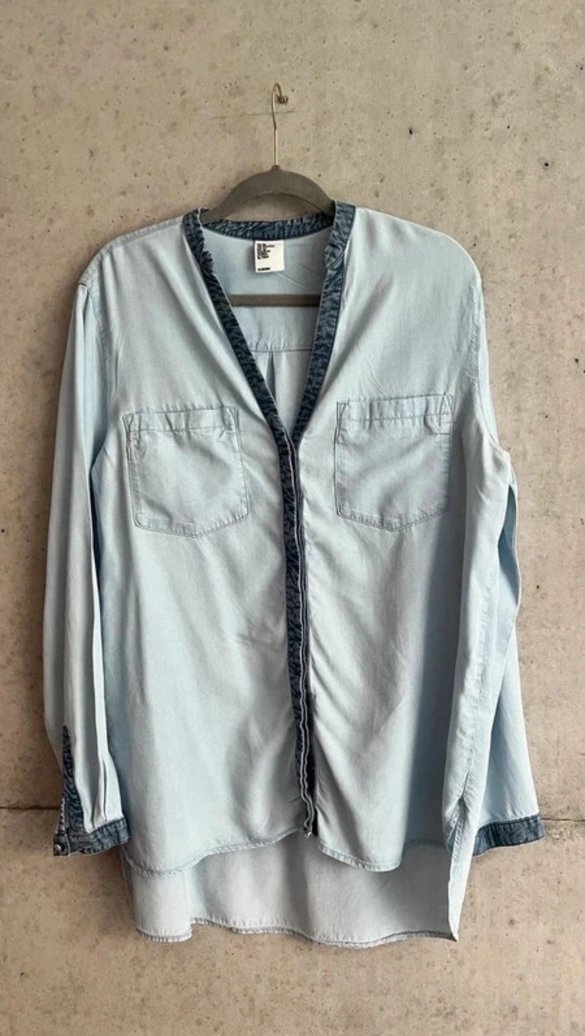 Hanger | 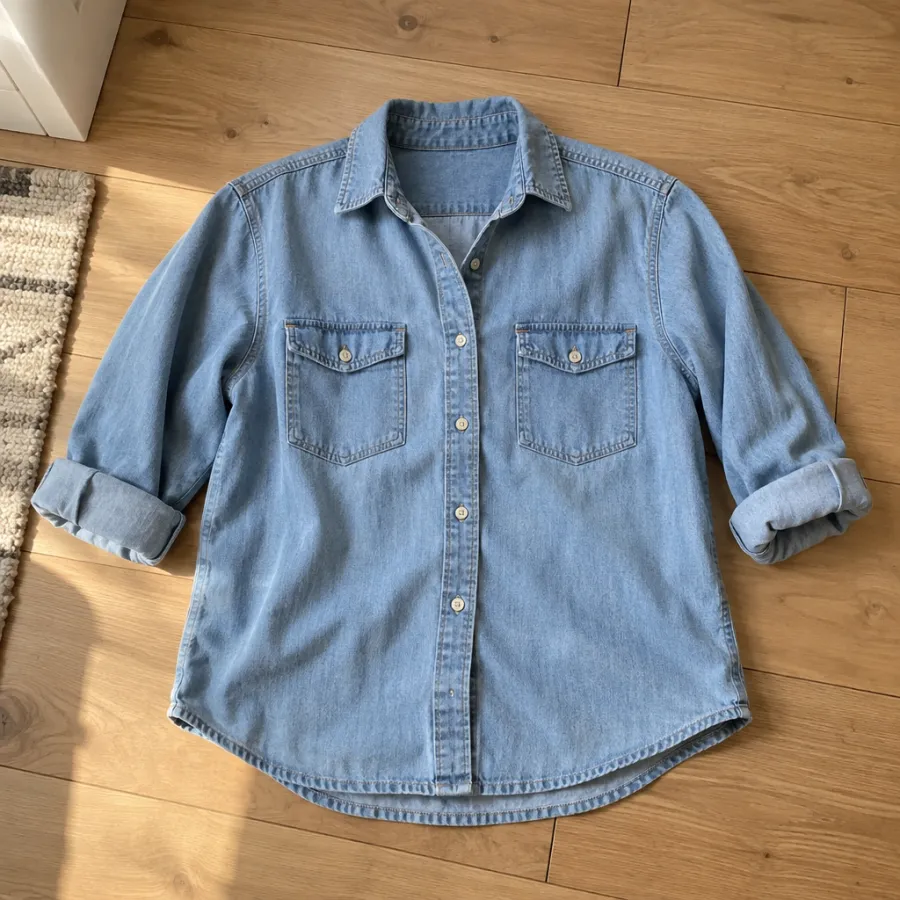 Flat lay | 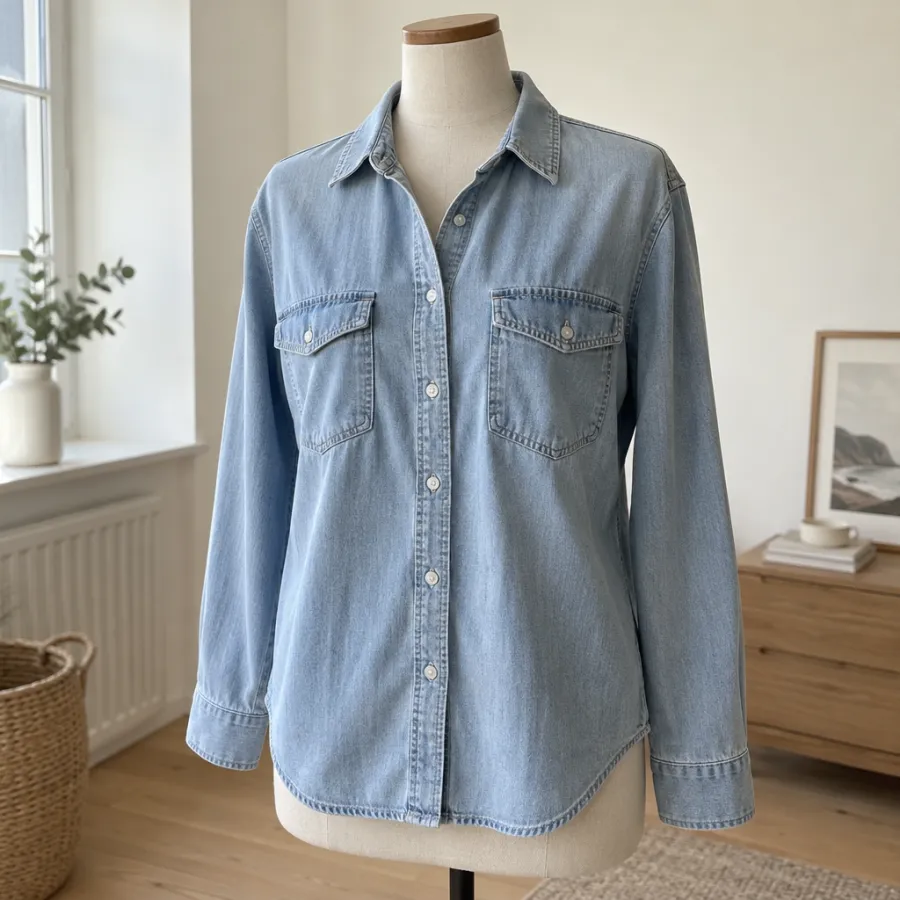 Ghost mannequin | 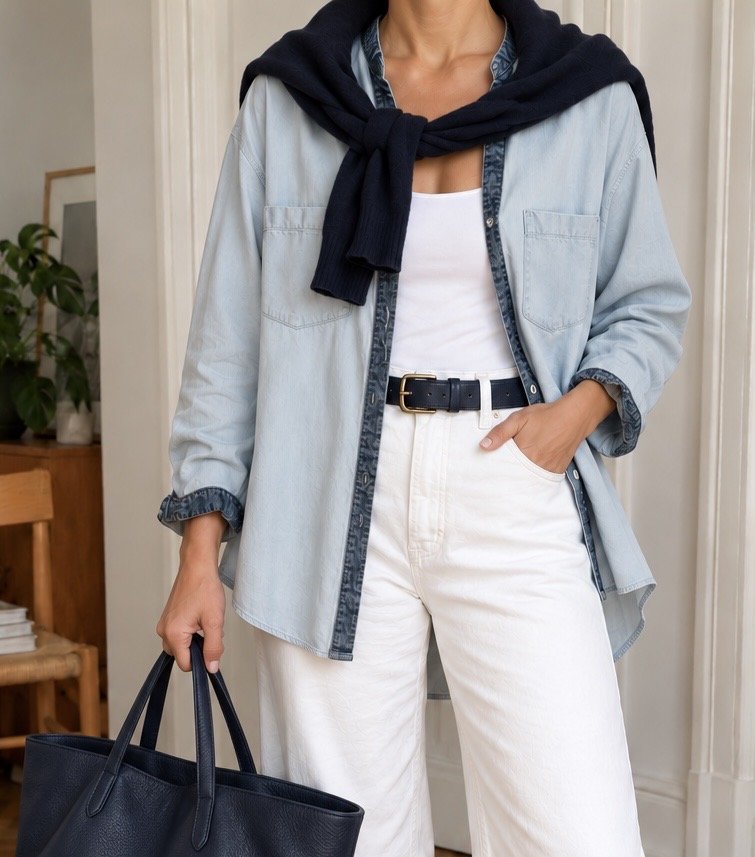 Model (another person) | 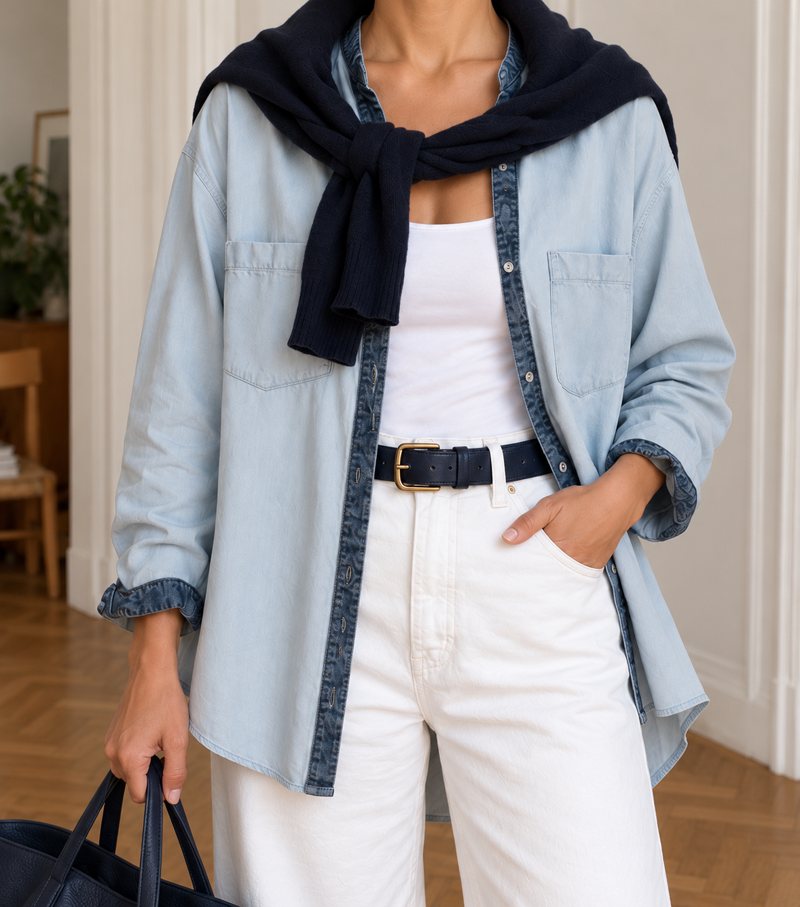 kiki |
|---|---|---|---|---|---|
| Cost per item | Free | Free | Buy a dummy, plus image editing | Free to expensive | First try-on free, then packs or a subscription |
| Effort per item | Low: hang it up, photograph it | Medium: lay it smooth, shoot from above | High: dummy, several photos, retouching | High: appointment, changing, lighting | Low: one photo on the hanger |
| Shows fit and length | No | No | Partly | Yes | Yes |
| Equipment | Hanger | Floor, light | Dummy, software | Person, light | Phone |
| Looks worn | No | No | Half | Yes | Yes, AI-generated |
| Privacy | Yes | Yes | Yes | Only with the person’s consent, face out of frame | Yes, never with a face |
| Good for | Quick, cheap | T-shirts, children’s clothes | Shops | Expensive one-off pieces | Anything with a cut |
Effort describes the steps involved, not a measured time. We don’t recommend photos of yourself: in its photo tips, Vinted says it’s a good idea to avoid showing your face (point 8).
What does research say about worn product photos?
Researchers at eBay Research analysed search sessions for “black dress” on a large online marketplace from 2012: dresses shown on a person were added to watch lists and bought more often than those photographed flat or on a dummy (Di et al., arXiv, June 2014).
A study with two experiments (169 and 156 participants) found that shoppers are more likely to choose the product image that lets them imagine the item on their own body. The authors recommend dummy images for overview pages and images on a person for the product page (Bagatini et al., Journal of Research in Interactive Marketing, May 2023).
Numbers to quote
With source and date, free to quote.
47.9%
2.73
Glossary
- Worn image
- A photo showing a garment worn on the body.
- AI try-on image
- A worn image generated with artificial intelligence from a real photo of the item. It should be labelled as such.
- Ghost mannequin
- A photo on a dummy that is then retouched out. The item looks as if it holds its shape by itself.
- Flat lay
- Clothes photographed flat from above, usually on the floor, a table or a bed.
- Cover photo
- The first photo of a listing. It’s the photo buyers see first while scrolling.
Frequently asked questions
What is the cheapest way to photograph clothes?
A hanger in front of a light wall. It costs nothing, but doesn’t show how the item fits.
Are AI try-on images allowed?
Vinted’s catalogue rules don’t mention AI. Vinted told the German magazine ÖKO-TEST that AI is not banned per se, as long as the item is shown accurately. Our recommendation: real photos of the item right behind the AI image, AI images labelled.
Is a ghost mannequin worth it?
For shops with many identical items, yes. For single second-hand items the effort is usually too high.
Sources
- ÖKO-TEST (German-language): KI-Bilder auf Vinted & Co.: Sind KI-Tragebilder erlaubt? (13 August 2026, with a statement from Vinted and lawyer Jens K. Fusbahn)
- Vinted: Catalogue rules, “Requirements for the item’s photos” (accessed 25 October 2026)
- Vinted Help Centre: What photos you should upload (photo tips, point 8 privacy; accessed 25 October 2026)
- Di, Bhardwaj, Jagadeesh, Piramuthu, Churchill (eBay Research Labs): When relevance is not Enough: Promoting Visual Attractiveness for Fashion E-commerce, arXiv:1406.3561, 13 June 2014 (data from 2012)
- Bagatini, Rech, Pacheco, Nicolao: Can you imagine yourself wearing this product? Journal of Research in Interactive Marketing 17(3), 3 May 2023